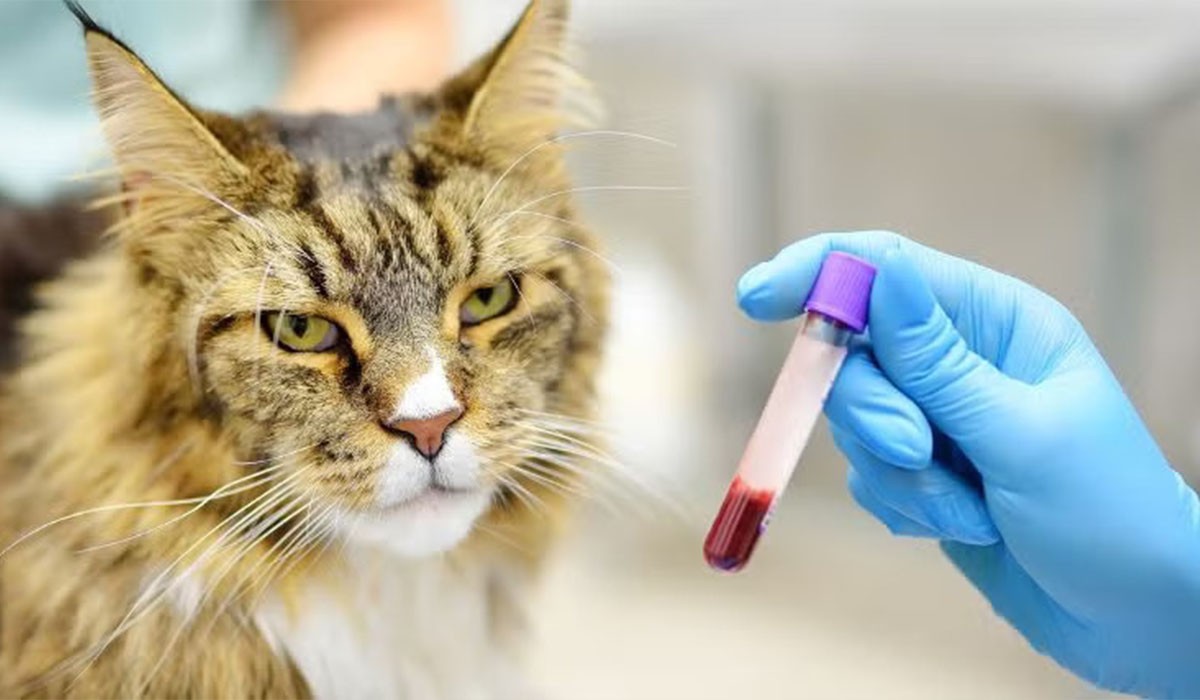
Despite the misconception of cats being aloof and solitary, owners often have a deep bond with their cats, and prioritize their health, happiness, and well-being above all else. One essential aspect of prioritizing your cat’s health is understanding what constitutes a healthy baseline for your cat and how regular blood work can provide invaluable insights into their current health status, as well as what’s on the horizon for their health.
To empower cat owners to take a more proactive approach to their cat’s health, we’ll be diving into the significance of establishing cat’s baselines, deciphering blood work drawing procedures and results, and how this knowledge can empower you to make informed decisions for your feline friend's health. Let’s get started!
Why Knowing Your Cat’s Baseline Is So Important
To start, let’s cover the most basic question: What do veterinarians mean when they reference a baseline?
In the context of veterinary medicine, a baseline is considered your cat’s “normal” health and function. Baselines for every cat will be different, as they are based on your cat’s unique health history and bodily function. These baselines, or understandings of your individual cat’s average health, are determined by a series of lab work tests that give your veterinarian greater insight into multiple aspects of your feline friend’s health.
Baseline tests are very important for veterinarians to perform because they give a general idea of what is normal for this particular patient, or if they're coming to us already with an underlying illness or disease, they allow us to get a glimpse at where their health is at that specific point in time. Knowing where a cat’s health stands at that moment is important because as disease progresses or new clinical signs arise, if we were to do blood work moving forward to further investigate, this allows us to compare back to prior blood work to see if this is consistent with this patient or something new that we should be concerned about.
Blood Work and Baseline Tests
Cats are naturally very stoic animals and it can be hard to determine diseases early on if they're not showing outward signs of illness. But that’s where blood work can come in and reveal if your cat is sick or struggling with any medical issues. By doing at least once yearly lab work on our adult and senior feline patients, it allows us to evaluate for any hidden diseases that they may not be showing yet, but might be something we'd want to address sooner rather than later. Regular blood work allows us to truly embrace preventative care and catch any health issues or complications early on to help your cat live a longer and happier life.
One of the most common baseline tests for cats is a Complete Blood Count (CBC). Blood work for CBC looks at a cat’s white and red blood cells, as well as their chemistry panel that looks at overall organ function, like liver, kidney, and electrolytes, as well as a urinalysis. This type of blood work helps evaluate for any abnormalities with our urine production, as well as looking for urinary tract infections.
A veterinary clinic’s laboratory can often also process a number of other types of lab work that your veterinarian may recommend. Be sure to check in with them if you have any questions or concerns regarding lab testing procedures or results for your pet.